
Origin Story
It started on the farm.
Long before ViPR PRO® entered the gym, its foundations were being built through the way we grew up.
Raised on a farm, we spent much of our free time feeding livestock, digging ditches, baling hay and taking care of the countless physical tasks that farm life demanded. We lifted, carried, shifted, dragged and moved awkward loads through constantly changing conditions in Alberta, Canada.
We knew “Farm Strong” because we lived it.
Years later, when I (Michol) studied exercise science at university, those early experiences continued to shape the way I thought about training and physiological adaptation while taking my undergraduate and graduate classes. The questions stayed with me as I began a career in strength and conditioning and started working alongside Simon Bennett, primarily training hockey players.
The question that changed everything
Each off-season gave us approximately 16 weeks to prepare our athletes. We used periodized programs to develop the biomotor qualities hockey demands: strength, power, agility, cardiovascular efficiency and endurance.
The athletes became measurably stronger and better conditioned. Yet when we asked their coaches how they were performing during the season, the answer was often the same:
“They’re doing well — but they need more strength on the puck.”
So, the following off-season, we placed even greater emphasis on strength. Our athletes improved across their foundational lifts. But when the next season arrived, so did the same feedback: they still needed more strength on the puck.
Finally, we asked a different question:
“Who is beating them for the puck?”
“The farm kids,” the coaches told us.
That was the moment everything connected.
Bringing Farm Strong into the gym
We understood what the farm kids had developed. Their strength had been built by moving varied loads through different directions, positions and speeds — often in unpredictable conditions. Jay knew this quality especially well, both from farm life and his experience as a successful strongman competitor.
The question became:
How do we bring a bale of hay into the gym — without the mess?
Months later, a rolled-up section of rubber flooring left in our training space offered the answer. We began building prototypes and introducing new loaded-movement patterns into our athletes’ programs.
Specifically, our first prototypes were used with the Edmonton Oilers players and integrated into their programs. Their response gave us the clarity and confidence to move forward: the feedback from the players was remarkably consistent — they had never felt so strong on the ice. At the same time, emerging science was beginning to support what we had observed through experience and in practice. We did not abandon traditional strength training. We expanded upon it — giving athletes opportunities to lift, shift, carry, rotate and move with load, alongside traditional squats and deadlifts. The adaptations we observed went beyond what we had previously achieved through conventional programming alone.
The lived experience, athlete response and developing evidence were converging. That was when we knew this could extend far beyond elite sport — and that we had to make it accessible to everyone.
That exploration ultimately became ViPR® and the foundation of Loaded Movement Training.
Born in athletics. Built for everyone.
Athletic performance is at the heart of who we are. We have lived it, trained for it, coached it and studied the science behind it.
ViPR PRO® was born from a desire to help athletes become stronger and more capable in motion. Bringing that vision to life took more than an idea. It took family, collaboration, ingenuity and a shared belief in what movement could make possible. Today, our purpose is to make that experience accessible to everyone.
From the early days of design and prototyping to bringing the product into manufacturing, Claude Dalcourt (Michol and Jay’s dad) and Cruz Dalcourt (Jay’s son) played instrumental roles in turning the vision into reality. Behind the scenes, their mom, Dawn Dalcourt, continues to be a driving force in the day-to-day operations, helping customers, supporting orders and keeping everything moving in the right direction.
That family involvement is more than part of our history. It is part of who we are.
We are a family-supported business, grounded in the belief that how you do things matters just as much as what you do. We value hard work, honest relationships, thoughtful innovation and the kind of personal connection that keeps us close to the people we serve. It keeps us grounded, keeps us accountable and reminds us never to lose sight of what matters.
Our roots are in athletic performance, but our purpose extends far beyond elite sport. We believe the ability to move with strength, confidence and capability belongs to everyone.
We are a performance brand because we believe athleticism belongs to all of us. And we are a family-supported business because we believe the best things are built together.
We are all athletes.
Welcome to the ViPR PRO® experience. We are grateful you are here.
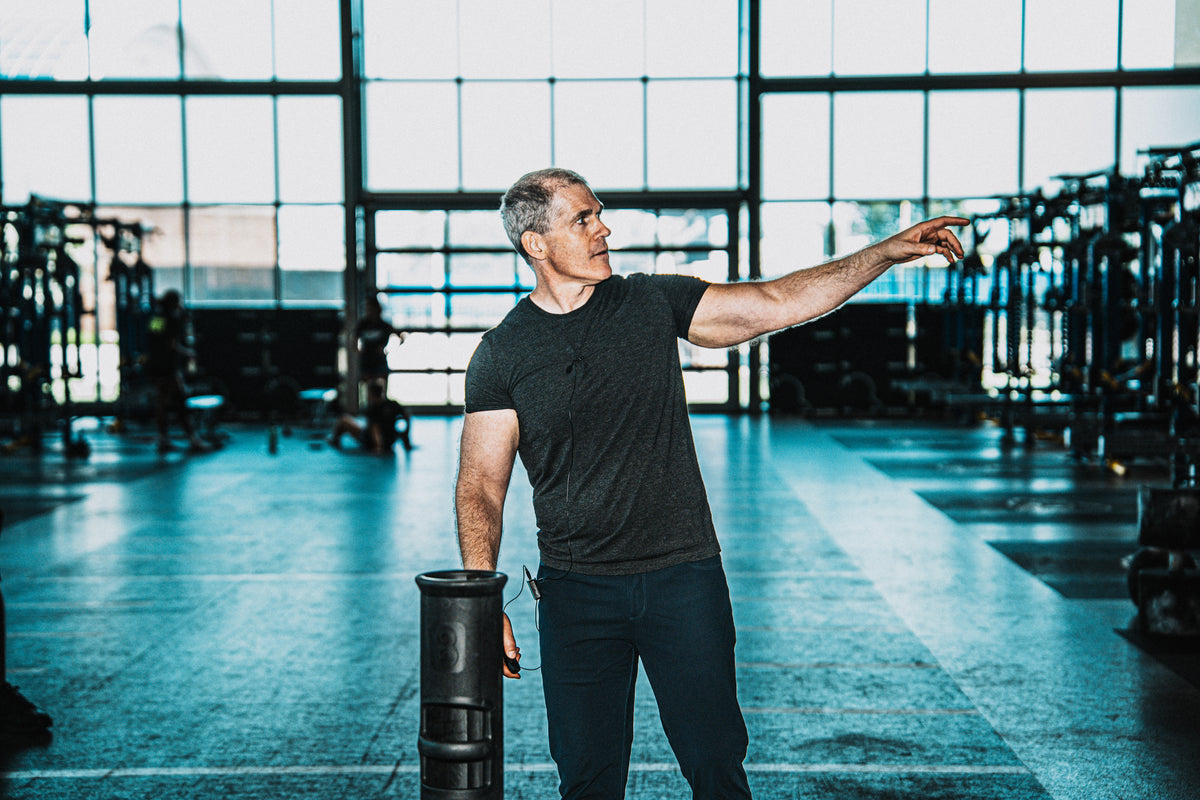
Jay Dalcourt / Michol Dalcourt / Simon Bennett
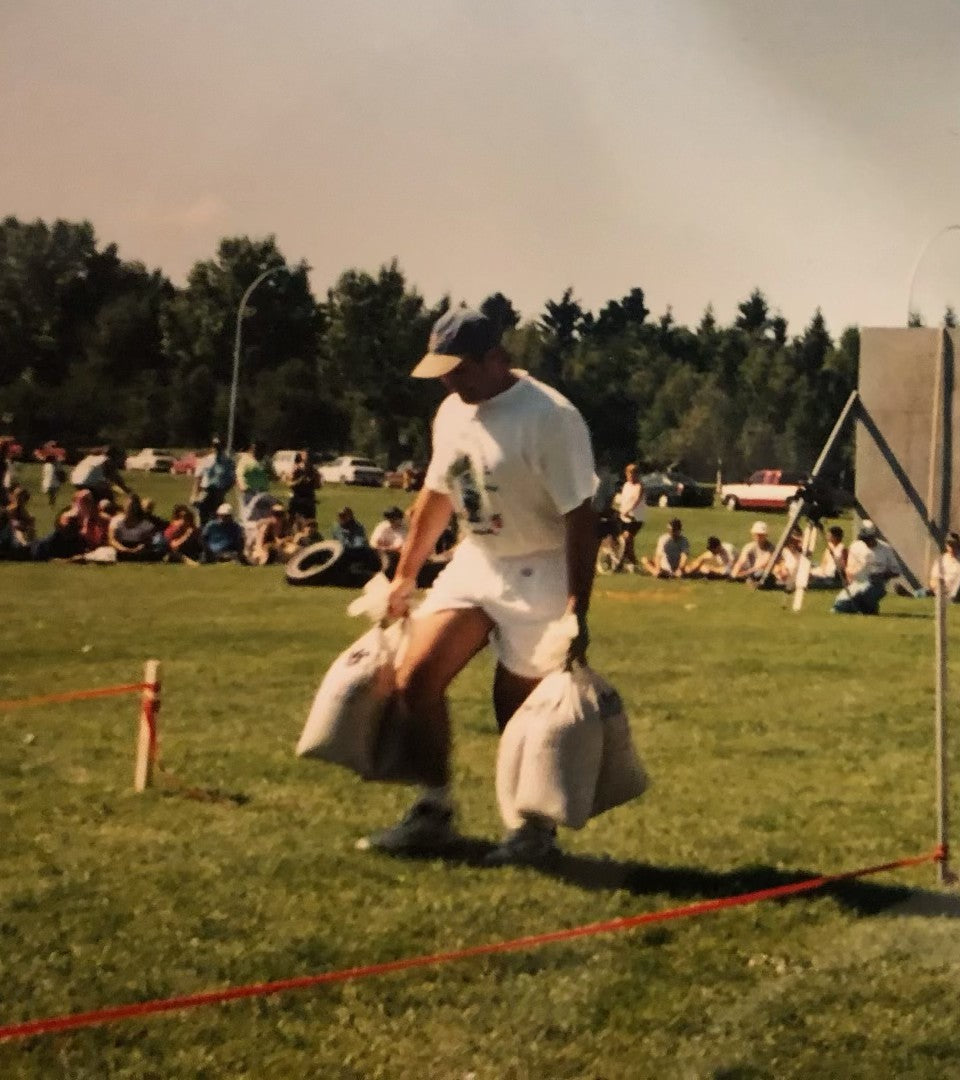
Jay Dalcourt
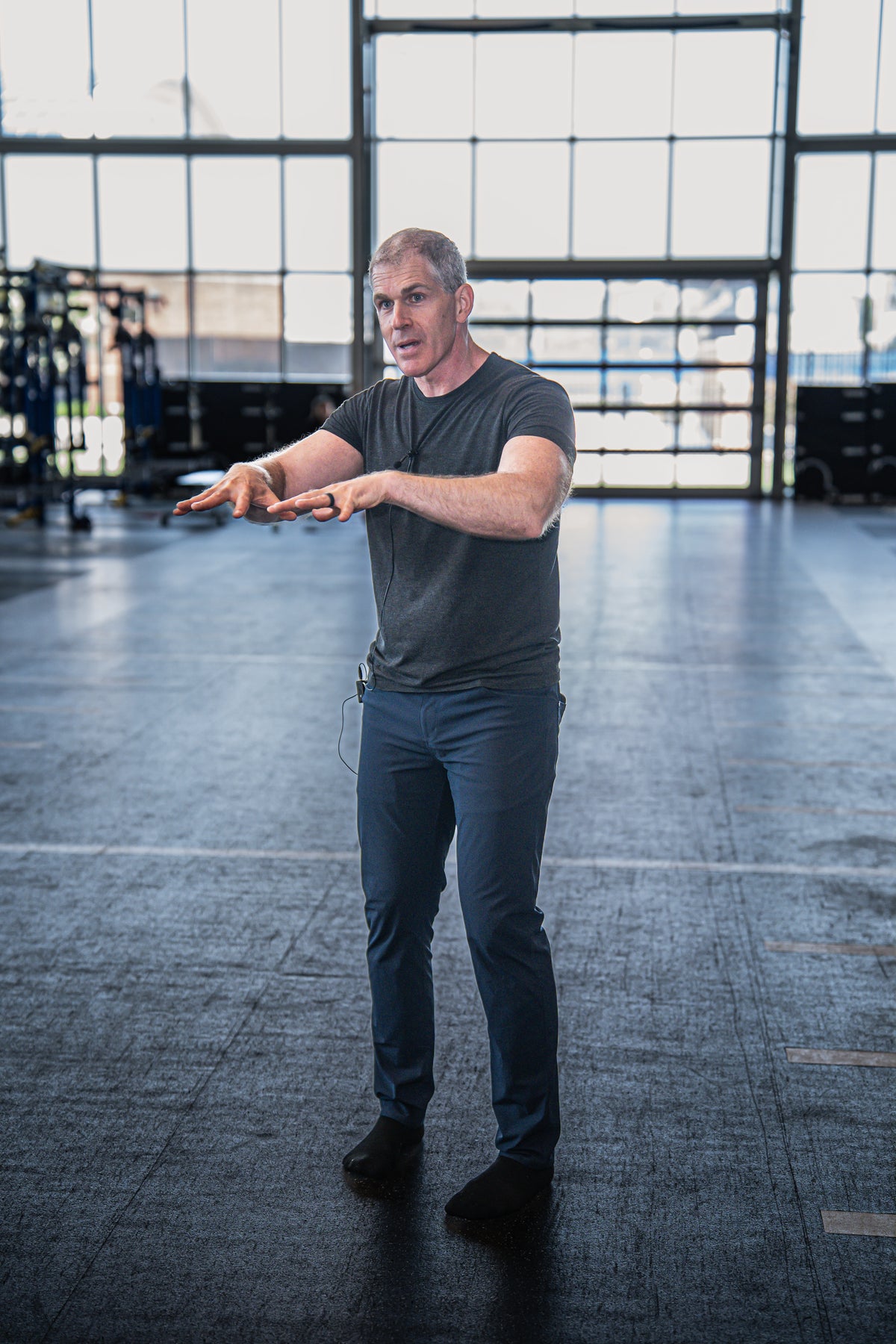
Michol Dalcourt
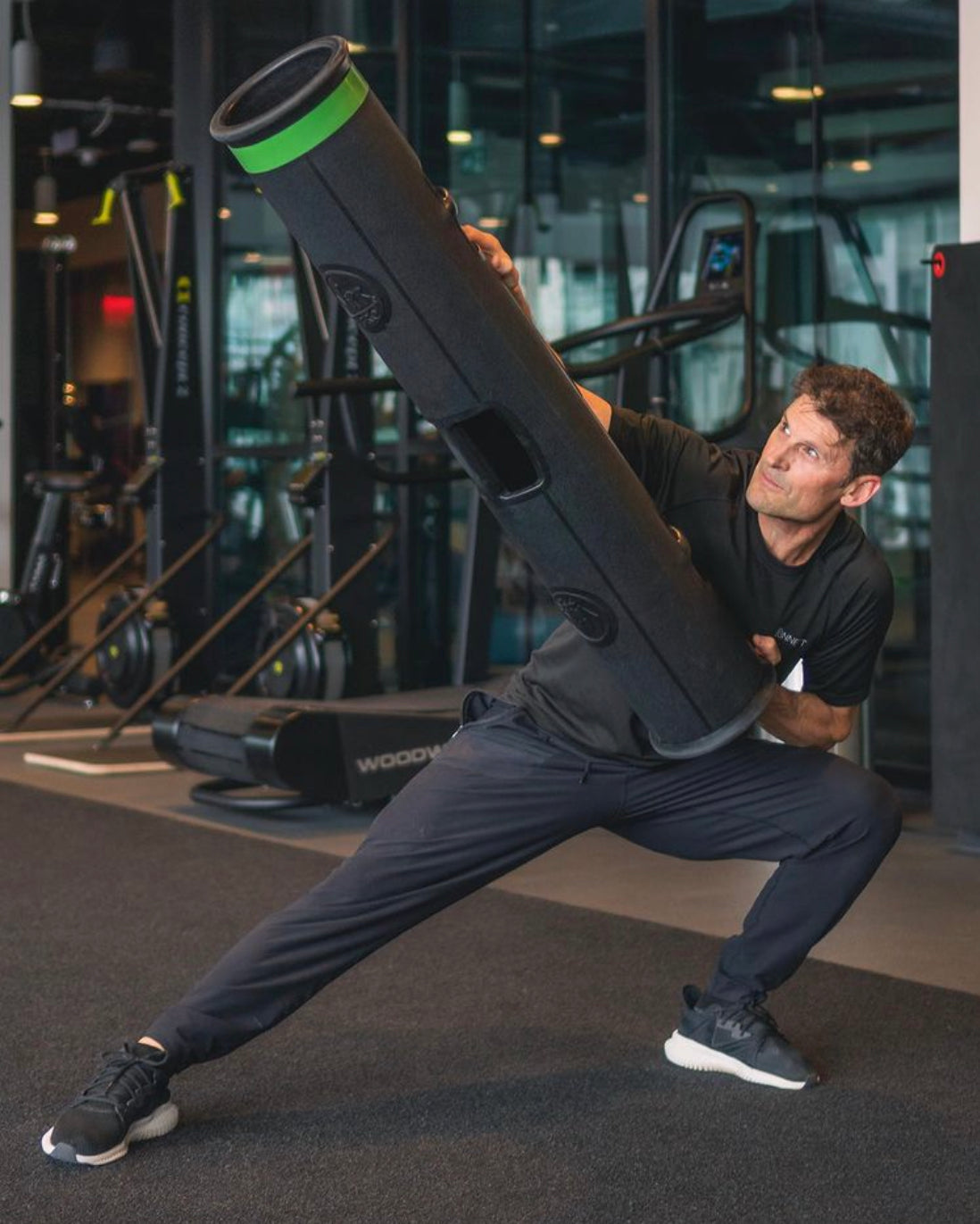
Simon Bennett
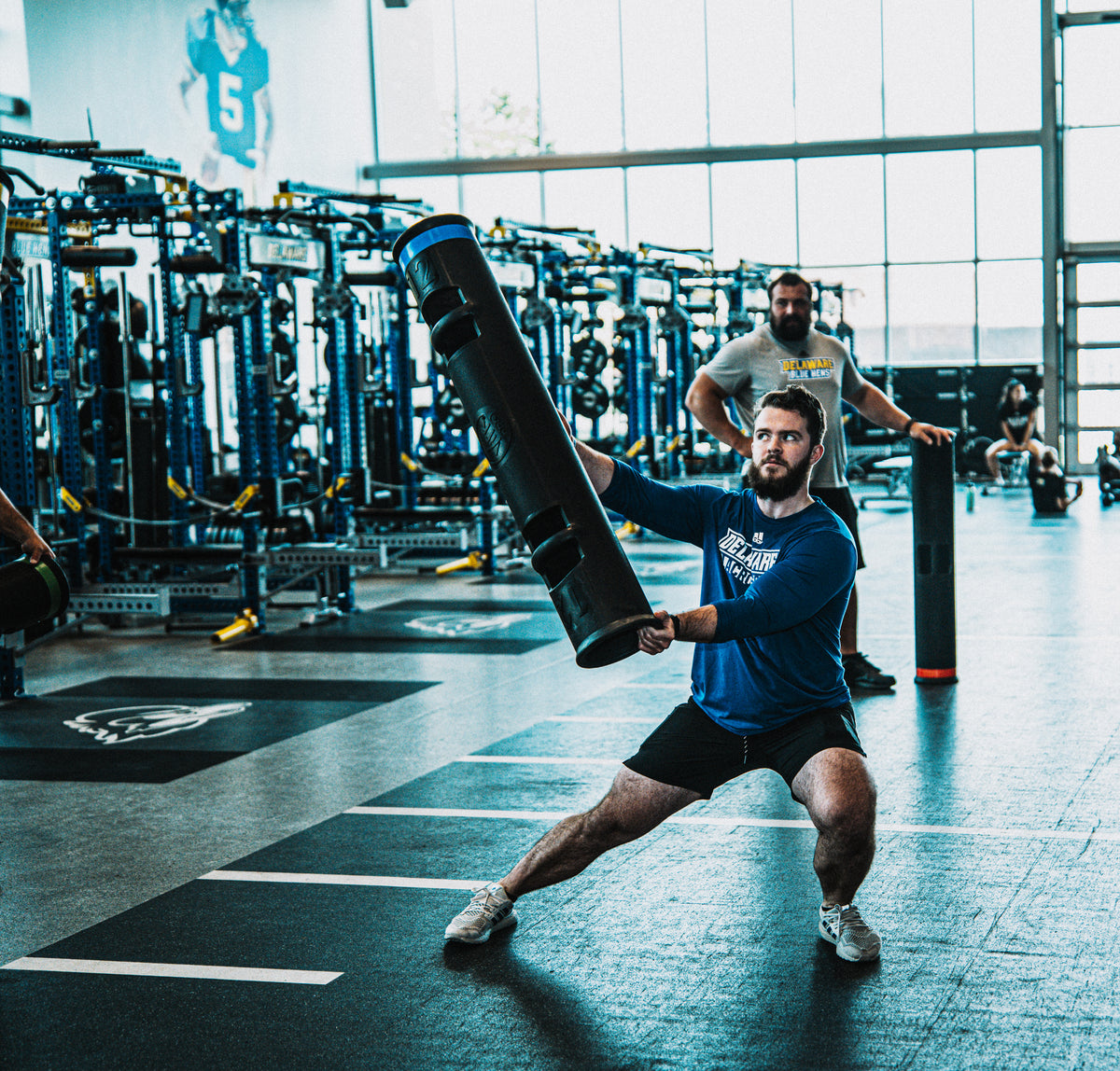
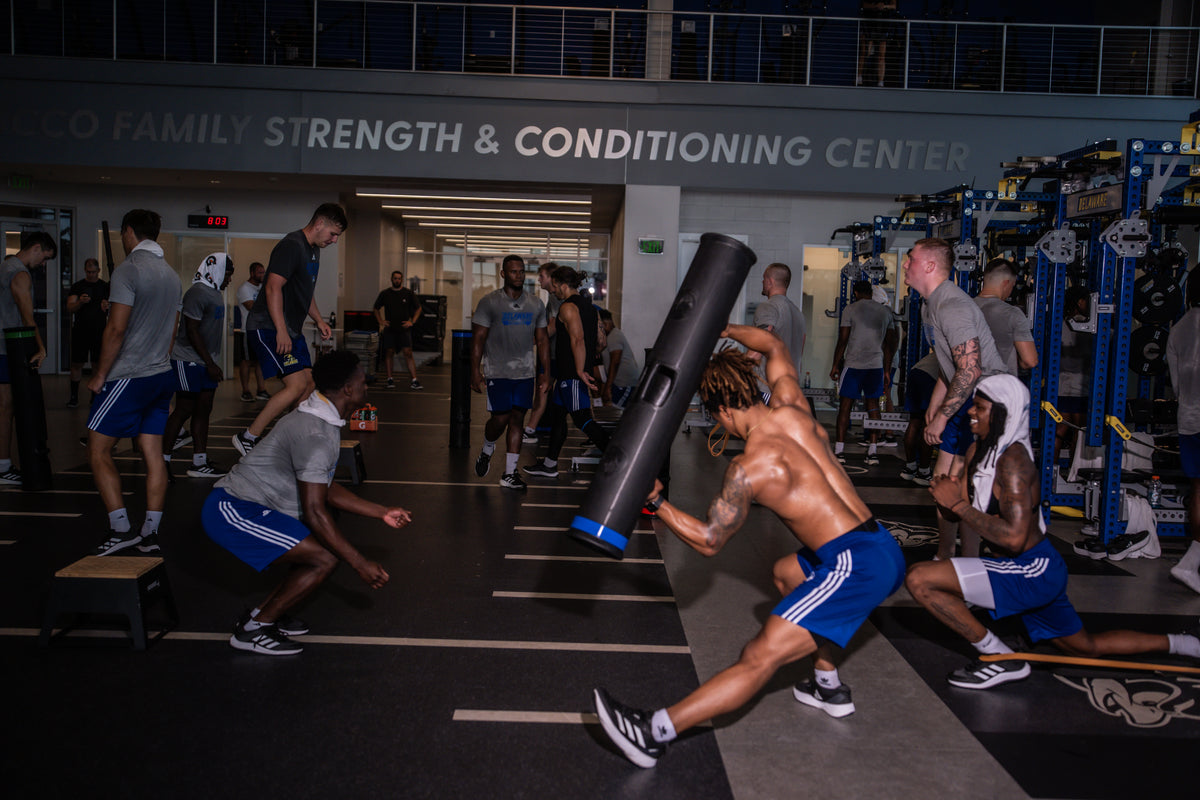

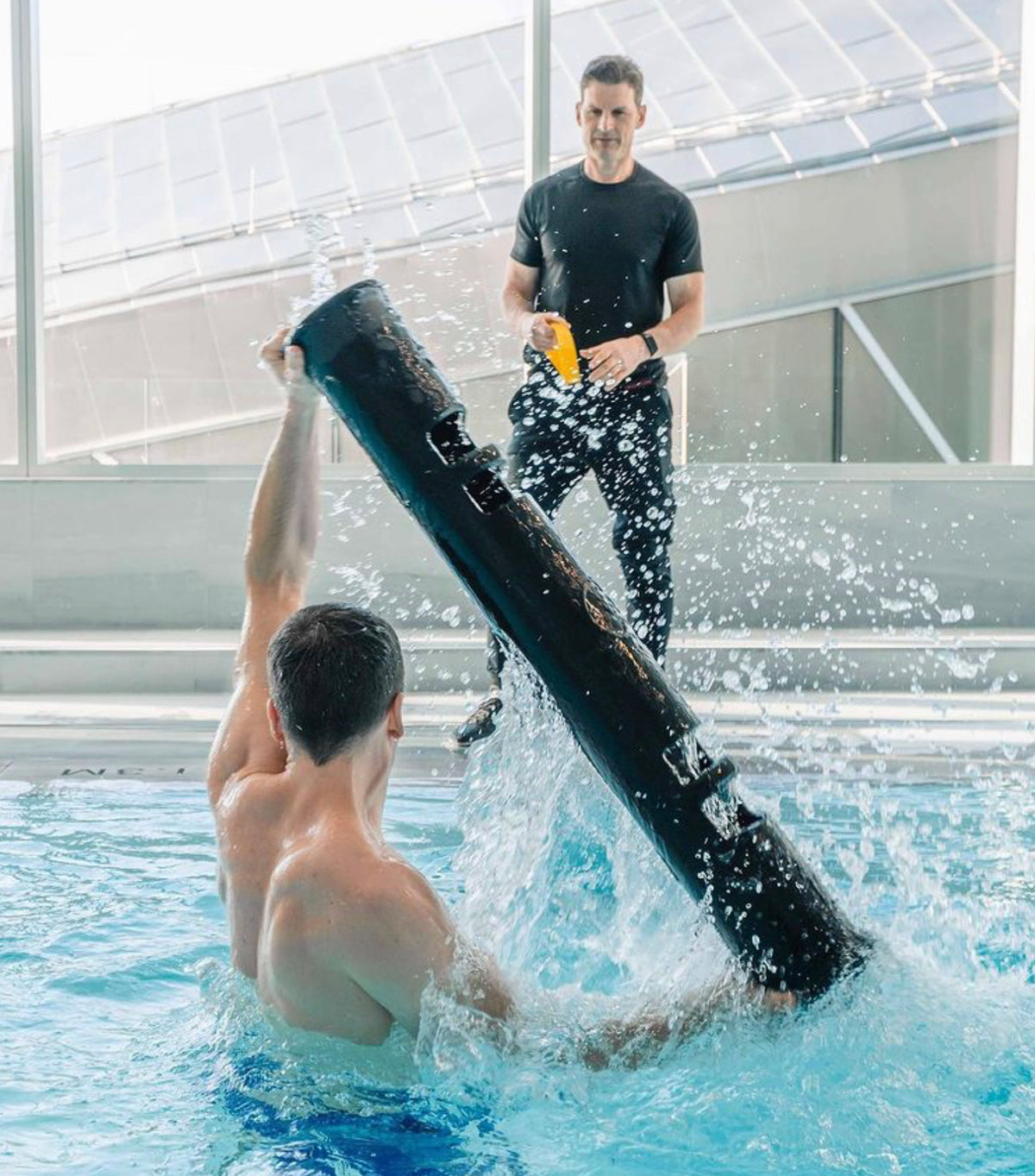
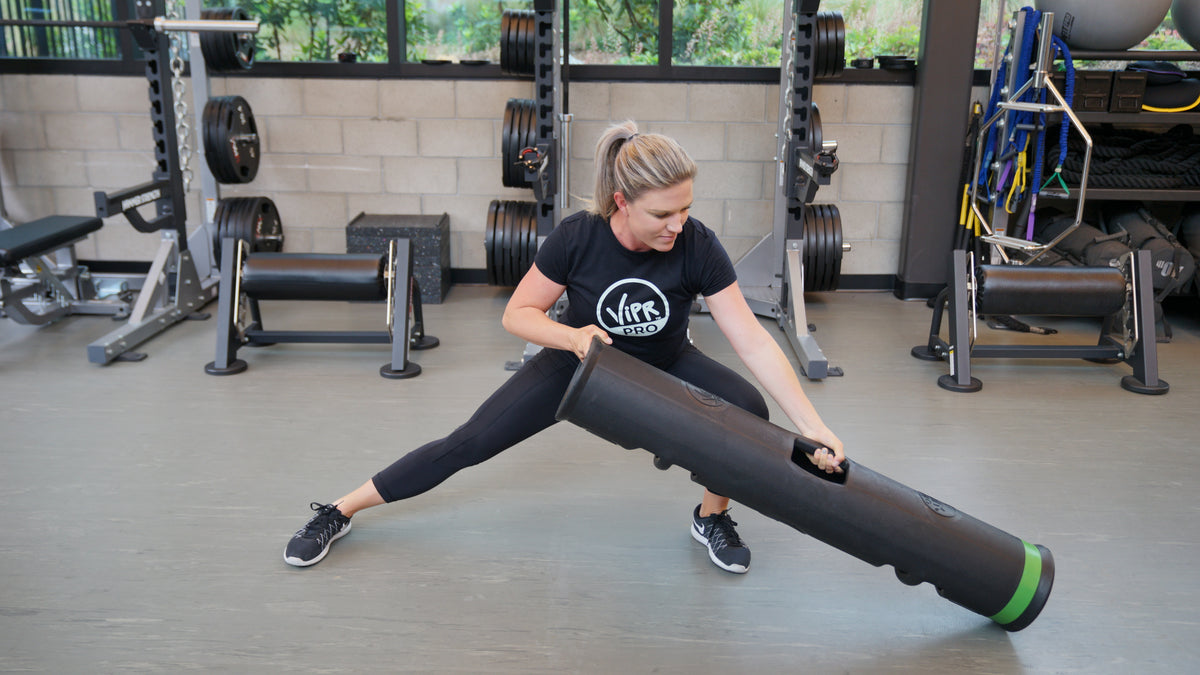
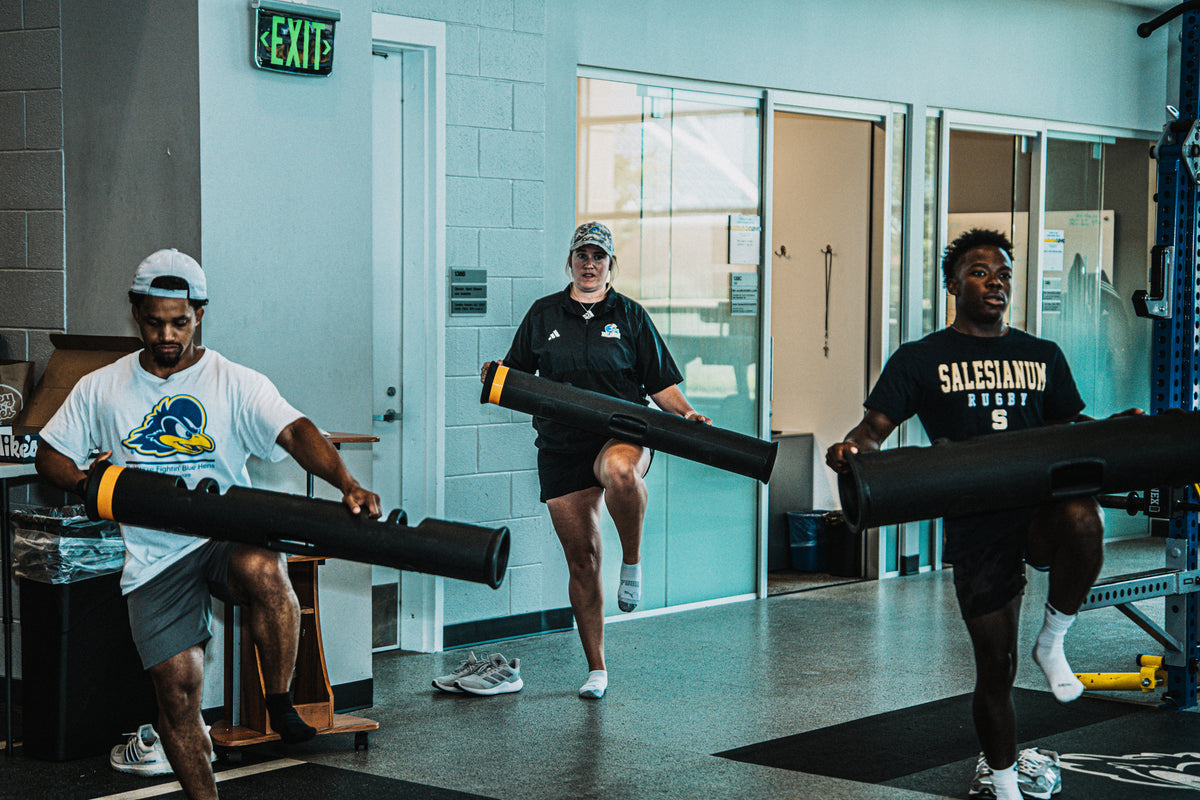
Twenty years, one idea.
Refined for two decades in professional sport. The idea never changed: load real movement, build bodies that last.
What Loaded Movement Training is built on
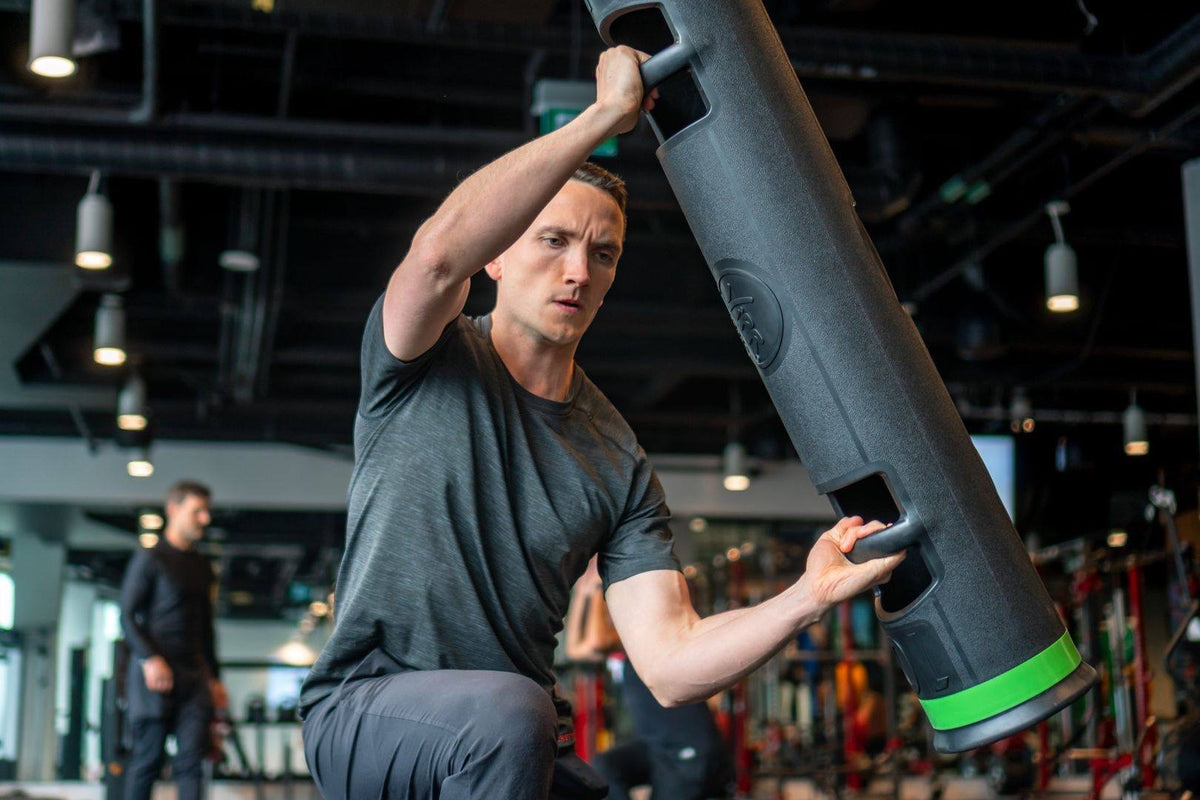
Where it lives now
Same tool. Same science.
From professional sport to the studio floor, ViPR PRO builds bodies that are hard to break.